
Last verified: April 2026
1915: The Origin of American Cannabis Prohibition
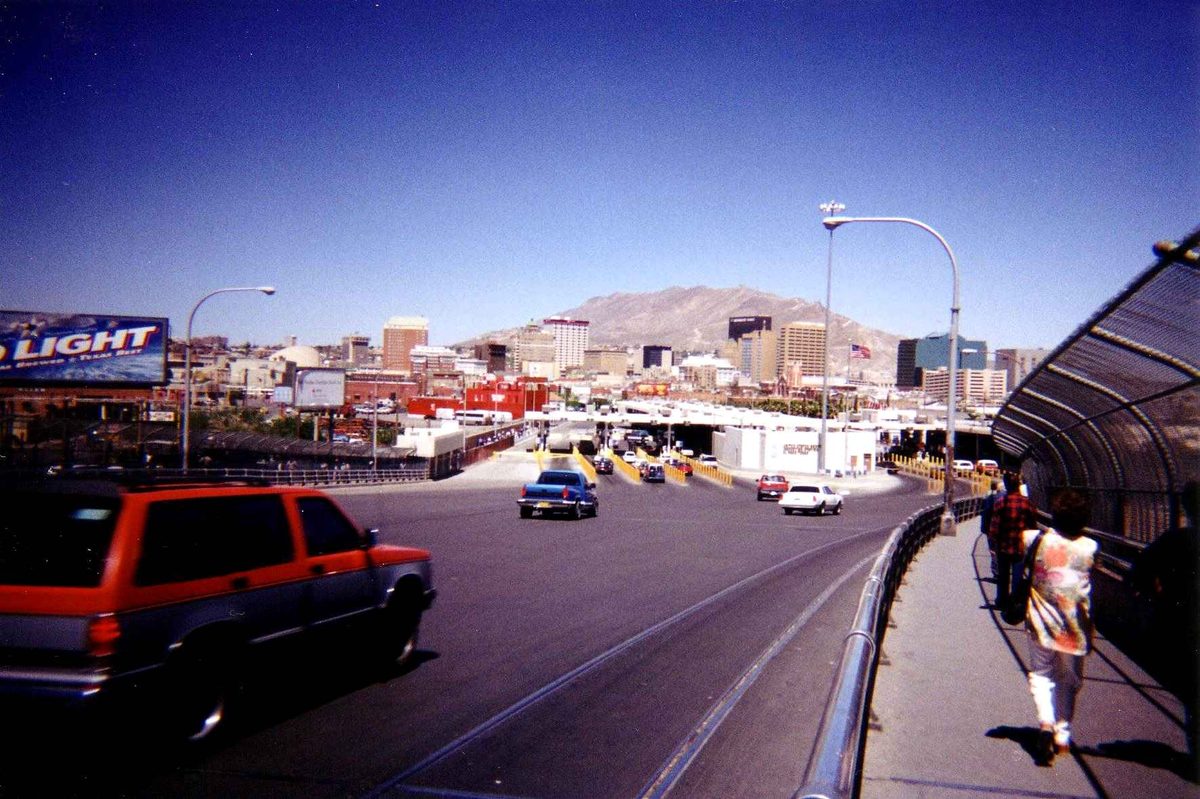
El Paso holds a distinction unique in American drug policy history: it was the first city in the United States to ban cannabis. In 1915, the El Paso City Council passed an ordinance prohibiting the sale and possession of marijuana — years before any state or federal ban.
The motivation was explicitly racial. Sheriff Stanley Good campaigned against “marihuana,” attributing its use to Mexican laborers and immigrants crossing the border. The El Paso Morning Times reported that the city was the “first in the country to take a stand” against the substance. The framing was consistent with the broader nativist politics of the era: cannabis was portrayed as a foreign drug brought by undesirable populations, a narrative that would be replicated in state legislatures and eventually in federal law through the Marihuana Tax Act of 1937.
The historical irony is sharp. A 1917 USDA report found that most of the cannabis in El Paso at the time was actually coming from U.S. pharmaceutical companies and flowing into Mexico — not the other direction. The substance that El Paso banned to target Mexican immigrants was largely an American product being exported south.
El Paso's 1915 marijuana ordinance was the first local cannabis prohibition in the United States, predating state and federal bans and rooted in anti-Mexican immigrant sentiment along the border.
Isaac Campos, Home Grown: Marijuana and the Origins of Mexico's War on Drugs (UNC Press)
Today: Cite and Release
In May 2020, the El Paso City Council voted 7–0 to implement a cite-and-release policy for marijuana possession under 4 ounces. Under the policy, individuals found with small amounts of marijuana receive a citation rather than being arrested and booked into jail. The case may still be filed and prosecuted — this is not decriminalization — but the immediate consequence of an encounter with police is a ticket, not handcuffs.
The unanimous vote reflected a pragmatic consensus: El Paso’s jail was over capacity, court dockets were backlogged, and the cost of processing low-level marijuana arrests was unsustainable. The cite-and-release policy reduced the burden on both law enforcement and the jail system without requiring a change in state law.
The New Mexico Border: Legal Cannabis Next Door
The most consequential dynamic shaping El Paso’s cannabis landscape has nothing to do with Texas law. It is the state line.
Sunland Park, New Mexico sits directly across the border from El Paso — in some places, literally across the street. Since New Mexico’s recreational cannabis market launched in April 2022, Sunland Park has become one of the most concentrated cannabis retail corridors in the country. Up to 40 dispensaries operate in this small border community, many explicitly marketing to Texas customers.
- “Texas Tuesday” discounts and similar promotions target El Paso residents crossing the state line
- Sunland Park has generated $127+ million in cumulative recreational cannabis sales since April 2022
- The city ranks as the second-highest revenue generator in New Mexico’s recreational market, despite having a resident population of barely 16,000
The math is straightforward: El Paso’s metro population of 870,000+ provides a customer base that dwarfs Sunland Park’s local population. The dispensaries exist because of Texas demand. Every dollar spent in a Sunland Park dispensary is tax revenue that Texas loses to New Mexico.
Transporting cannabis from New Mexico back into Texas is illegal under both state and federal law. Border Patrol operates interior checkpoints on I-10 (east of El Paso near Sierra Blanca), north of Las Cruces, and on other routes. These checkpoints have Title 21 (Controlled Substances Act) authority and use drug-detection dogs. A cannabis purchase that was legal in Sunland Park becomes a federal offense at the checkpoint and a state felony if you reach Texas. Do not transport cannabis across state lines.
Beto O’Rourke and Local Reform History
Before his U.S. Senate and presidential campaigns, Beto O’Rourke served on the El Paso City Council. In 2009, O’Rourke authored a resolution that the council passed 8–0 calling for a national debate on drug legalization — an extraordinary statement from an elected body in a border city. The resolution was vetoed by Mayor John Cook, and the council did not override the veto, but the moment marked El Paso as a city willing to challenge drug policy orthodoxy from within the establishment.
O’Rourke went on to co-author Dealing Death and Drugs: The Big Business of Dope in the U.S. and Mexico (2011), arguing that prohibition fueled cartel violence. His evolution from city council member to national politician kept El Paso’s perspective on drug policy in the national conversation.
Federal Presence: DEA and Border Patrol
El Paso has one of the heaviest federal law enforcement concentrations in the country. The DEA El Paso Intelligence Center (EPIC) is the primary national clearinghouse for drug intelligence, coordinating information across federal, state, and local agencies. Border Patrol maintains a massive presence throughout the region, with both border and interior enforcement operations.
Notably, Border Patrol marijuana seizures dropped approximately 75% between FY2024 and FY2025. The decline reflects multiple factors: reduced marijuana trafficking from Mexico as U.S. domestic production has grown, the shift of cartel operations toward fentanyl and methamphetamine, and the availability of legal cannabis in adjacent New Mexico reducing demand for smuggled product. The border that launched cannabis prohibition is seeing prohibition-era enforcement patterns fade.
The Historical Arc
El Paso’s cannabis story is the American cannabis story in miniature. The city that first banned cannabis in 1915, citing racialized fears of Mexican immigrants, now sits on a border where legal cannabis flows freely on the New Mexico side while Texas maintains prohibition. Federal checkpoints that once intercepted carloads of Mexican marijuana now see seizures plummet as the economics of prohibition collapse. And the city’s own council — the same body that passed the first ban — voted unanimously for cite-and-release more than a century later.
The prohibition that began in El Paso is ending everywhere around it. The question is how long Texas will remain the last holdout in its own border region.
For in-depth cannabis education, dosing guides, safety information, and research summaries, visit our partner site TryCannabis.org
Related on this site: Austin Dispensary & Cannabis in A..., Dallas Dispensary & Dallas Cannabis, Houston Dispensary & Cannabis in....